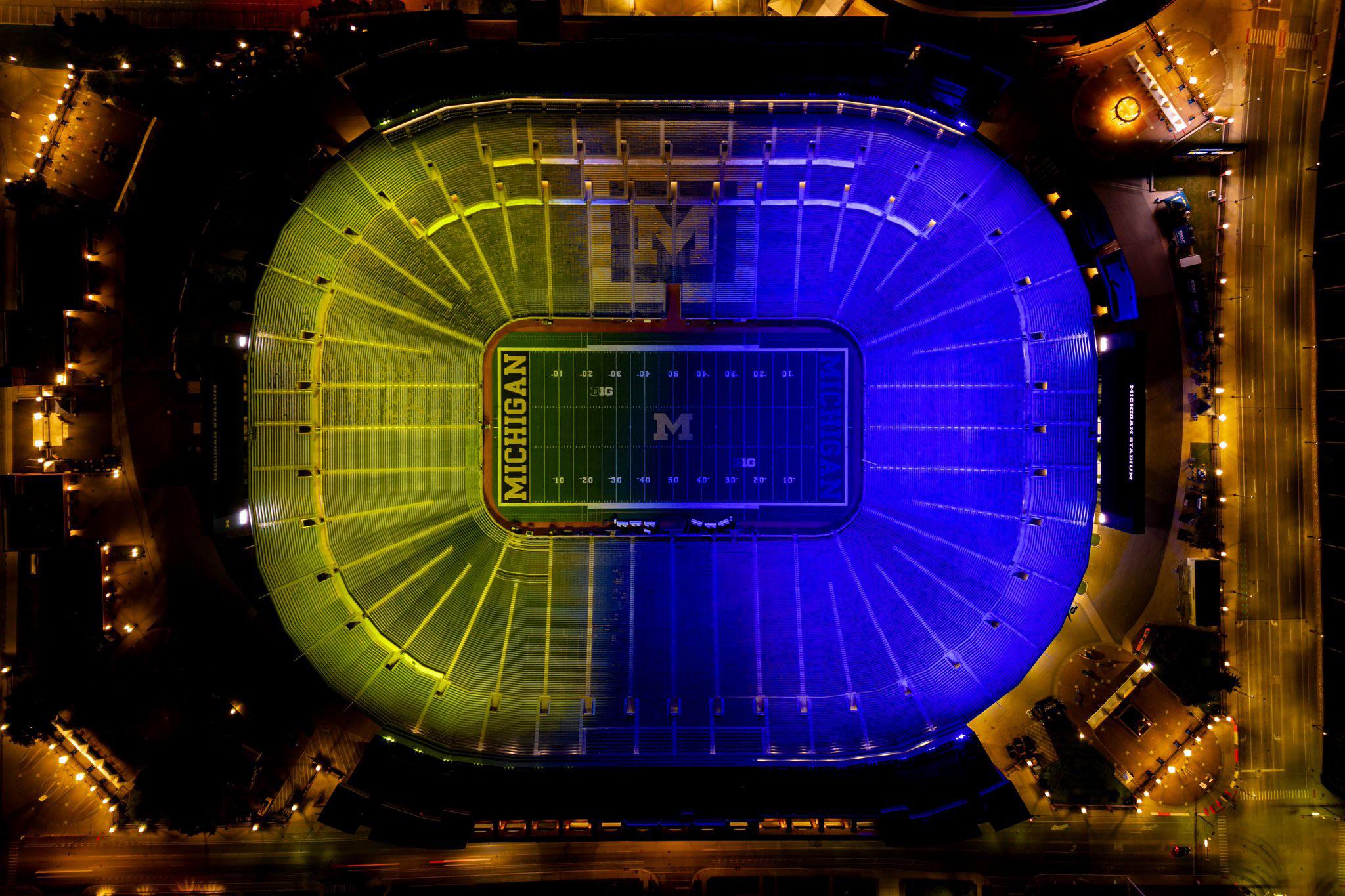
It’s one of the most iconic venues in all of sports, and it’s certainly experienced its fair share of updates throughout the years. Here’s a look at just some of the significant changes that the Big house has experienced, starting its opening in 1927.
1927
Michigan Stadium was built in 1927 at a cost of $950,000 and had an original seating capacity of 72,000.


1930
Michigan Stadium adds electronic scoreboards, making the stadium the first in the United States to use them to keep the official game time.

1949
Michigan Stadium expansion replaces old wooden bleachers and adds 13 additional rows of steel bleachers, bringing the seating capacity to over 97,000.


1956
Michigan Stadium adds a new press box at a cost of $700,000. The construction of the press box, along with some additional seating that was added as a result of the construction, brought the seating capacity at Michigan Stadium from 97,239 to 101,001.

1965
In 1965, the remaining wooden bleachers in Michigan Stadium were covered in blue fiberglass in an effort to prevent weathering and discoloration to the seats. It was at this time, according to the Bentley Historical Library, that the maize colored ‘Block M’ was added to the bleachers – a feature that remains today.

1968
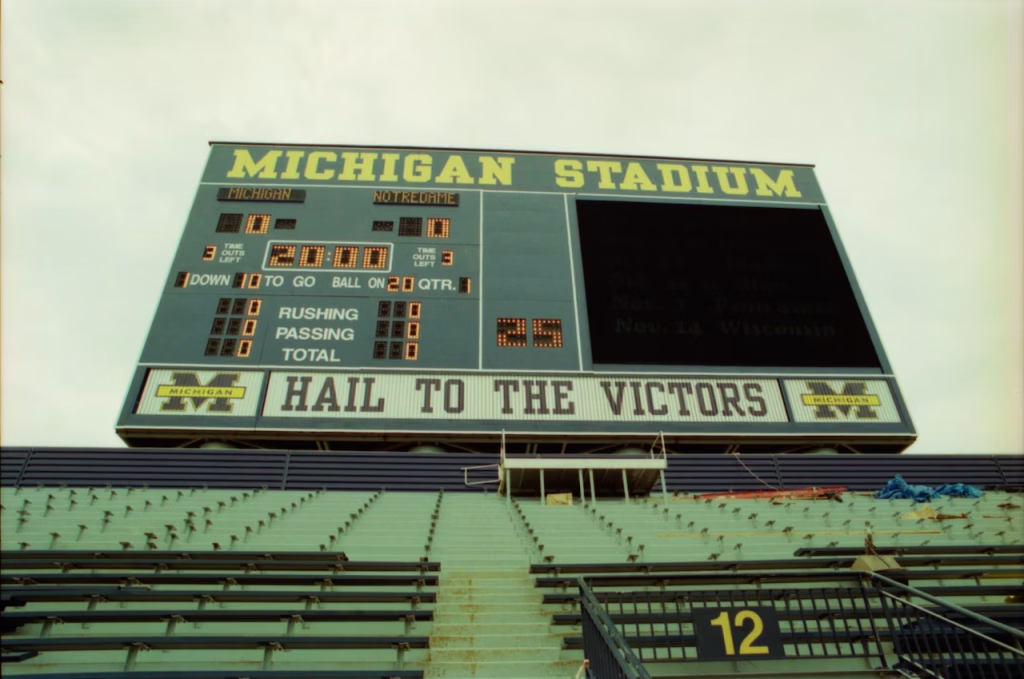
Michigan updates the scoreboards at each end of the stadium at a cost of $75,000.
“The new scoreboards added the number of time outs left for each team as well as the spot the ball was on, in addition to the features given on the old boards. These scoreboards, measuring 41 feet by 16 feet, would remain in use through the 1997 season.”

1969
Michigan Stadium moves from natural grass to artificial turf at a cost of $250,000. The decision to make the switch was based on evidence that artificial turf could withstand any type of weather and required less maintenance than grass.

1973
Additional renovations increased seating capacity to 101,701, leading Michigan to lead the nation in attendance for every year with the exception the 1997 season due to the expansion of Tennessee’s Neyland Stadium. In 1975, Michigan played Purdue 102,415 fans inside of Michigan Stadium, the beginning of Michigan’s ongoing record of playing in front of a home crowd of over 100,000 fans.
1991
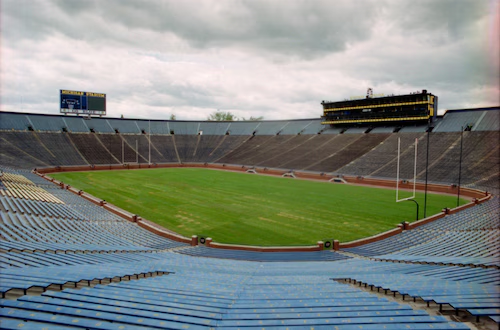
After nearly 20 years of playing on artificial turf, Michigan Stadium returned to prescription athletic turf as part of another renovation.
Another part of the renovation included the field being lowered by three and a half feet to facilitate sight-lines in the lower rows. This also allowed the addition of two rows to the lower seating area of the stadium, raising the official seating capacity to 102,501.
1998
Michigan installs new video scoreboards and the Halo


1999
Michigan adds new televisions to the concourse, along with new grass turf for the field.
2010
Michigan begins a massive $227 million renovation to the stadium, adding a new press box and luxury box season on the east and west side of the stadium.


2011
New larger video boards are installed at the north and south end of the stadium.

2023
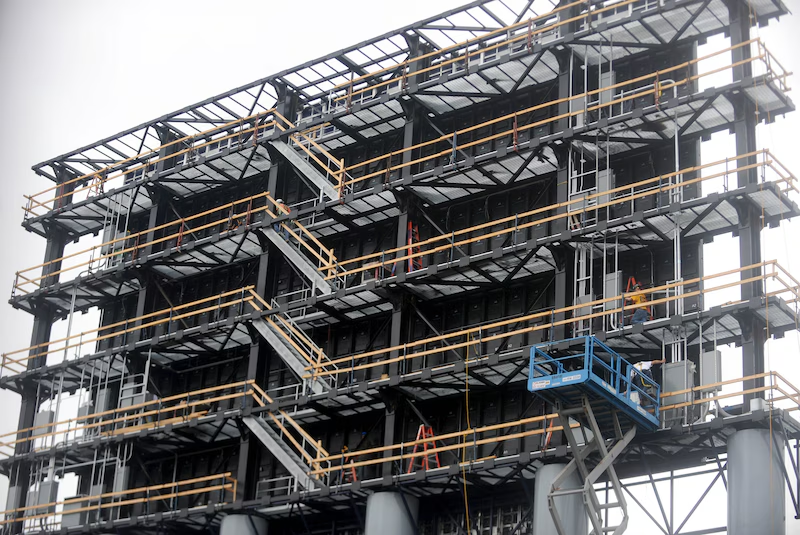
Michigan begins construction on larger video boards in the north and south end of the stadium. Some of the images below provide an example for how much larger the new versions are.


In addition to the larger scoreboards, Michigan also added new stadium lighting for night games – including a lightshow capable of producing various colors.


Several images courtesy of Bentley Historical Library.