On Thursday, the NCAA agreed to a settlement that will allow colleges to pay student-athletes as part of a revenue sharing agreement moving forward. As part of the settlement, the NCAA and the nation’s five biggest conferences announced that they have agreed to pay nearly $2.8 billion in damages to student-athletes dating back to the 2016 season, along with allocating over $15 billion to players over the next 10 years.
The landmark settlement essentially ends the NCAA’s fight to prevent student-athletes from sharing in the massive amounts of revenue generated by college athletics, something former Michigan head football coach Jim Harbaugh was extremely passionate about.
“We all should be about diversity, equity and inclusion. I’m calling for a system that is fair, equitable and benefits all involved,” Harbaugh said last year. “Don’t exclude the student-athletes from the profits. My opinion, you can’t say you’re about diversity, equity and inclusion, if you aren’t willing to include the student-athletes in revenue sharing.
“We have to try to make it work, we have to try to make it better and right now. The current status quo is unacceptable and won’t survive. In my opinion, we capitalize on the talent, we should pay the talent for their contributions to the bottom line.
“I want them to be treated with the respect and dignity that they deserve. What I don’t understand is how the NCAA, television networks, conferences, universities and coaches can continue to pull in millions, and in some cases billions, of dollars in revenue off the efforts of college student-athletes across the country without providing enough opportunity to share in the ever-increasing revenues.”
With student-athletes now being provided with the opportunity to benefit in the revenue that they are largely responsible for, there’s a growing call for the NCAA and universities to make things right with former student-athletes who weren’t given the same opportunity.
Following a long battle with the NCAA, former USC star running back Reggie Bush recently had his Heisman trophy returned to his possession. He lost the honor back in 2010 when the NCAA hit USC with sanctions, claiming Bush and his family received impermissible benefits from prospective agents. Returning the award was a step in the right direction, but Bush’s relationship with the NCAA remains frosty at best.
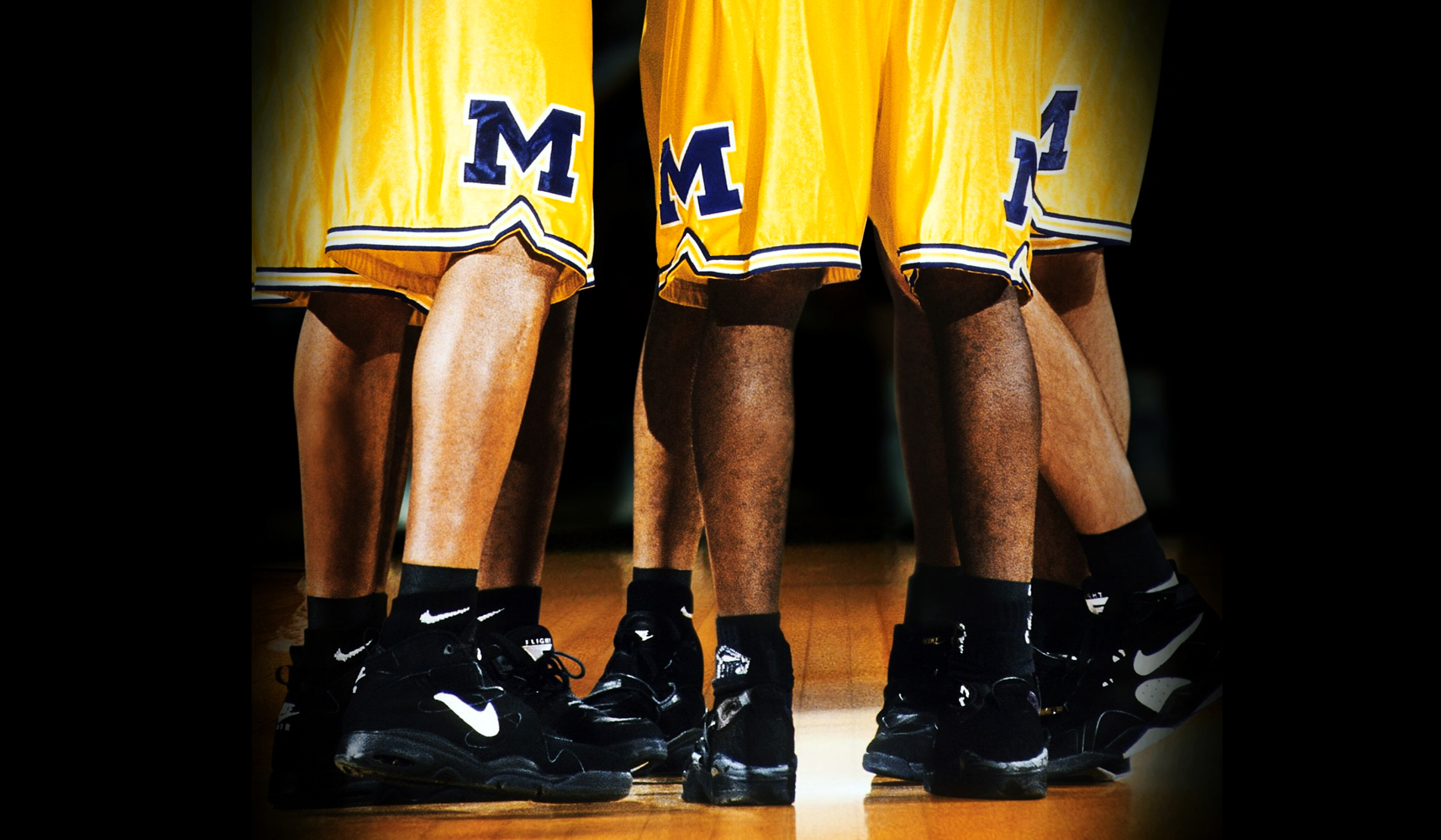
Back in Ann Arbor, there is another famous case where a group of highly-popular student-athletes were impacted by the NCAA’s stranglehold on their ability to profit from name, image, and likeness. Of course, I’m referring to the Fab Five.
As of today, Michigan Basketball’s Final Four banners from 1993 and 1994 are likely folded up somewhere in a storage closet in Ann Arbor. The banners were removed after it was discovered that former U-M Basketball star Chris Webber had received funds from a booster while playing for Michigan, resulting in the program having to vacate those two Final Four appearances.
Shortly after NIL went into effect back in 2021, Webber shared the following tweet:
Given the latest settlement with the NCAA and the nation’s five biggest conferences, it feels like someone at the University of Michigan should definitely invite Webber (and his Fab Five teammates) back to Ann Arbor, pull the banners out, and put them back where they belong – hanging proudly at the Crisler Center.